|
Symptoms of anemia vary depending on the severity of the condition. Anemia may occur without symptoms and be detected only during a medical examination that includes a blood test. When they occur, symptoms may include:
-
Weakness and fatigue are the most common symptoms of anemia. Even iron deficiency without anemia can reduce working capacity in some people.
-
Shortness of breath on exertion
-
Rapid heartbeat
-
Lightheadedness or dizziness
- Headache
- Ringing in the ears (tinnitus)
- Irritability and other mood disturbances
- Pale skin (however, healthy-looking skin color does not rule out anemia if a patient has risk factors and other symptoms of anemia)
- Mental confusion
- Loss of sexual drive
- Restless legs syndrome may be a symptom of iron deficiency
Unusual Symptoms
Pica. One odd symptom, which in some cases is also a cause of iron deficiency, is pica. This is the habit of eating unusual substances, such as ice (called pagophagia), clay, cardboard, foods that crunch (such as raw potatoes, carrots, or celery), or raw starch. The pica often stops, particularly in children, when iron supplements are given.
The finding of pica in adults, most often ice chips or cornstarch, is known to be associated with iron deficiency anemia. However, pica can be difficult to detect because patients are often ashamed to admit to such cravings.
Symptoms of Megaloblastic Anemia and its Causes
Symptoms of Megaloblastic Anemia. The symptoms of megaloblastic anemia from vitamin B12 or folic acid deficiencies include not only standard anemic symptoms but also:
- Inflammation of the mouth (stomatitis)
- Inflammation of the tongue (glossitis), which involves shrinkage at the surface and edges of the tongue
Over time, psychiatric and neurologic problems develop. Vitamin B12 deficiencies can cause neurologic symptoms (numbness and tingling, depression, memory loss, and irritability).
Symptoms of Pernicious Anemia. Early neurologic symptoms of pernicious anemia, which is a form of megaloblastic anemia, are due to B12 deficiency. They include numbness and tingling, depression, memory loss, and irritability. Advanced nerve damage can cause loss of balance and staggering, confusion, dementia, spasticity, loss of bladder control, and erectile dysfunction. Folic acid deficiency does not cause neurologic damage, although people with this deficiency can be irritable, forgetful, and experience personality changes.
Foods to avoid
Anemia is a blood disorder characterized by a reduction in either the number of red blood cells or the amount of hemoglobin in the blood. This leads to a decrease of oxygen in the blood and body cells and to numerous side effects including fatigue, dizziness and an increased susceptibility to illness. There are many different forms of anemia; the most common are iron deficiency, B-12 deficiency and folic acid deficiency anemia. Certain foods may contribute to or exacerbate all types of anemia, while other foods are only harmful to specific anemia types.
SATURATED FATS
For all types of anemia, the Canadian School of Natural Nutrition, or CSNN, recommends limiting consumption of saturated fats found in many animal products, including butter and all non-skim dairy products. Most animal meats contain saturated fat, but they are also a good source of iron, so eliminating them is not recommended for iron deficiency anemia. Instead, consider trimming off any visible fat and not eating the skin.
GLUTEN
According to the CSNN, gluten intolerance is a common cause of anemia. You should seek the advice of a health care practitioner to find out if gluten is a problem for you. If so, eliminate all foods that contain gluten, including most pastas, breads and wheat products.
FIBER
Fiber is essential to good health, but it prevents nutrient absorption when taken at the same time as certain nutrients. Fiber supplements and foods that are high in fiber, such as brown rice, should not be eaten at the same time as iron-rich foods, including beef, lentils and seafood, if you have iron deficiency anemia. If you have folic acid deficiency anemia, don't eat fiber with folic acid-rich foods such as leafy greens, eggs, liver and lima beans. If you have B-12 deficiency anemia, don't eat fiber with B-12-rich foods, including organ meats, beef, chicken and cheese.
IRON DEFICIENCY AND FOLIC ACID DEFICIENCY DIET
Iron deficiency anemia is the most common type of anemia, and certain substances directly deplete iron stores. If you suffer from iron deficiency anemia, the CSNN recommends eliminating black tea, coffee and soft drinks. Beer, candy bars, dairy products, ice cream and soft drinks contain additives that may also interfere with iron absorption. Oxalic acid, a substance found in many plant foods, also interferes with the absorption of iron in the body. If you have iron deficiency anemia, you should eliminate foods that are extremely high in oxalic acid -- almonds, cashews, chocolate, cocoa, kale, rhubarb, sorrel, spinach, Swiss chard and most nuts and beans. Finally, if you suffer from folic acid deficiency anemia, avoid over-cooking your food and eat vegetables raw or lightly steamed. Folic acid is easily destroyed during cooking.
-
Additives - interfere with iron absorption, as do coffee and tea, beer, candy bars, dairy products, ice cream, and soft drinks.
-
Alcohol - can absorb twice the amount of iron. However, this is not a good thing for a number of reasons. Alcohol can interfere with blood cells, which can cause iron to accumulate in tissues rather than helping to form hemoglobin where iron will do the most good. Once iron builds in tissues, that particular organ begins to break down. Alcohol also rapidly depletes the body of valuable nutrients, ultimately causing more health problems, including anemia.
-
Calcium, vitamin E, zinc, or antacids - should not be taken at the same time as iron supplements since they can interfere with iron absorption. (The iron already found in multivitamin supplements seems to pose no problem, however).
-
Coffee and tea - Coffee contains polyphenols and tea contains tannins, both of which render any iron found in food unusable. Drugs, as aspirin, steroids, and other drugs that tend to cause gastrointestinal bleeding will affect iron absorption. Fiber: Because iron is removed through the stool, do not eat foods high in iron (or take supplements) at the same time as fiber and avoid using bran as a source of fiber.
-
Milk and milk products - not only affect iron absorption, but can cause internal bleeding in infants.
-
Oxalates - are found in almost all foods, but amounts vary. While oxalates do tend to bind minerals, including iron, they cannot be avoided altogether. Even vitamin C converts to oxalates in the body. It takes very high amounts consistently over a period of time to do damage as far as anemia is concerned, but such foods should be avoided if kidney problems are present. Foods generally found on the list containing high enough amounts of oxalates include: almonds, black pepper, buckwheat, cabbage, cashews, chocolate, cocoa, coffee, eggplant, garden sorrel, berries (most, especially strawberries and cranberries), beans, beets and their greens, bell peppers, black pepper, ginger, green beans, lentils, mango, mustard greens, nuts (most, especially peanuts), oats, parsley, parsnips, plantains, poppy seeds, pumpkin, rhubarb, soybeans, spinach, star fruit, sweet potatoes, Swiss chard, summer squash, sweet potatoes, tea, tomatillos, tomatoes, and wheat bran and germ. While this vast list appears to take in everything edible, the best thing to do if there is no kidney problem is to eat a large variety of foods and ignore the oxalate content.
-
Pancreatic enzymes - may interfere with iron metabolism and should be taken at different times of the day than iron supplements.
-
Pork - On videotape, Dr. Olympio Pinto has recorded changes occurring in red blood cells caused by eating pork, smoking cigarettes, drinking caffeine, exposure to other toxic chemicals and heavy metals, or consuming any number of other potentially health-destructive substances. Just one hour after eating pork, for instance, more than half of the red blood cells began a transformation called "ghosting". Ghosts are red cells that have lost their hemoglobin. Hemoglobin is not only an oxygen-carrier but is also responsible for the red pigmentation of the blood. This could explain the sleepy feeling some people get after eating certain kinds of foods to which the body is particularly sensitive.
Foods to recommend
-
Beetroot juice - made from raw beets, is an especially good addition to any green drink. Beetroot juice contains phosphorus, sodium, magnesium, calcium, iron, and potassium, as well as vitamins A and C, niacin, folic acid, and biotin. When these nutrients are captured in a juicing process, they remain in a form that is much easier to assimilate than synthetic nutrients. For many years in Europe, beetroot has been used as a treatment for cancer. Specific anti-carcinogens are bound to the red colouring compounds, which supposedly help to fight against cancer. As far as the anemic is concerned, beetroot increases the uptake of oxygen by as much as 400 percent.
-
Blackstrap molasses - contains the iron and essential B vitamins necessary for red cell production.
-
Brewer's yeast - is a good source of B vitamins -- just one way to include these nutrients in the diet, especially if there is folate- or B12-deficiency anemia present. Brewer’s yeast also comes in a fortified or vegetarian formula that includes the elusive vitamin B12. It mixes well in nutritious blender drinks, where other nutritional supplements can also be added.
-
Curry powder - is a rich source of iron. Be aware, however, that there is a myriad of recipes for curry powder, so how much iron is actually in curry is anyone's guess; but it usually runs around 50-60 mg of iron per 100 grams.
-
Fermented foods - like miso, tempeh, and bean pastes are rich sources of iron, as well friendly bacteria necessary for vitamin absorption.
-
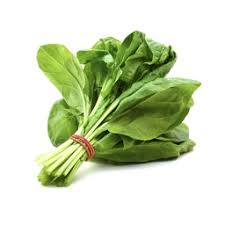
Green foods and drinks - are essential for anemia sufferers. They are rich in folic acid; and many of them are also rich in iron, particularly watercress, dandelion leaves, and the brassicas (cabbage family). Although beet greens and spinach are also rich in iron, they are also high in oxalic acid, which prevents minerals from being utilized by the body. Therefore, these foods should be eaten sparingly. Eating foods rich in vitamin C will help significantly in the absorption of the type of iron found in vegetables. Other vegetables which are especially beneficial for the anemic include parsley, green pepper, carrots, kale, and asparagus.
-
Herbs - Herbalists consider nettle (Urtica dioica) as a nutritious plant source of iron, as well as vitamin C, chlorophyll, and other minerals, and is an effective supplement in the treatment of iron-deficiency anemia. Other herbs that are also good are alfalfa, bilberry, cherry, dandelion, goldenseal, grape skins (only organic, as others are loaded with chemicals), hawthorn berry, mullein, Oregon grape root, pau d'arco, red raspberry, shepherd's purse, and yellow dock. Mothers can profit from drinking Rooibos tea during pregnancy and breast feeding when the baby's iron levels are likely to become depleted. Do not take goldenseal or Oregon grape root during pregnancy, and use only under supervision if there is a history of cardiovascular disease, diabetes, or glaucoma.
-
Highest levels - Food that contain the highest iron content (over 5 mg per average serving) are: kidney and pinto beans, liver (eat only from organically raised animals; otherwise, it will contain all the toxic waste the animal has stored), blackstrap molasses, rice bran, raw beet greens (but not the roots), mustard greens, lentils, dried peaches (organic only), and prune juice.
-
Moderate levels - Foods with moderately high iron content (3-5 mg) include cooked dried unsulfured apricots, cooked beet greens, dates, very lean meat (organically raised), lima beans, chili, cooked spinach, and dry and fresh peas. Spirulina, or blue-green algae, has been used successfully to treat anemia. The standard dose is 1 heaping teaspoon daily. Sea vegetables are rich sources of iron.
-
Supplements
-
A good multi-vitamin and mineral supplement taken daily can help prevent and/or combat anemia.
-
B complex deficiencies are probably the second leading cause of nutritionally caused anemias. Taking all of the B vitamins is vital since supplementing only one can bring about a deficiency in one or more of the others. Therefore, if anemia results from folate or a B12 deficiency and supplements have to be taken, it is wise to include a vitamin B-complex capsule as well, but generally nothing more than 50 mg per day unless otherwise stated by your health care provider.
-
Since vitamin C aids in the absorption of iron and helps strengthen the blood vessels, the suggested amount of supplement, in addition to the foods high in the nutrient, is 500 mg. twice daily.
-
Copper acts as a catalyst in the formation of hemoglobin and the copper-binding protein, ceruloplasmin, plays a major role in the distribution of iron throughout the body, especially to the brain. Studies of patients with dementia were found to have inadequate levels of ceruloplasmin.
-
Calcium helps to regulate the timing release or intake of iron into the RBC, thus affecting its lifespan. Since calcium also competes for the same absorption sites as iron, zinc, and copper, deficiencies of these minerals can occur if one consumes great amounts of calcium. When taken supplementally, calcium should be taken separately at bedtime. The best form is calcium citrate or gluconate rather than carbonate since carbonate is the same as common chalk.
-
Zinc deficiencies are often seen in alcoholics, sickle cell patients, diabetics, and those with such bowel disorders as Crohn’s disease or short bowel syndrome. Zinc influences several aspects of vitamin A metabolism and a vitamin A deficiency is often seen in people with iron deficiency anemia. Taking too much, however, can also contribute to anemia; therefore, the key is moderation. Doses greater than 150 mg per day can result in sideroblastic anemia or iron deficiency, mainly because it interferes with copper absorption. Since a deficiency is just as bad as an overload, the optimal ratio of zinc to copper is 10:1, that is, 10 milligrams of zinc to one milligram of copper.
-
Unsulfured dried fruits - are a rich source of iron, as well as B vitamins. However, because they are also high in fructose, eating too many at a time is not adviseable, but adding them to cereals or fruit drinks should provide as much iron and other nutrients as one needs in a day.
|
|